You have built a beautiful website, published high-quality content, and even landed a few backlinks—yet, organic traffic remains frustratingly flat. The most common culprit is not a lack of effort but invisible technical issues silently blocking your site’s potential. Broken links, slow page speeds, duplicate meta tags, and unoptimized images act like potholes on a digital highway. For beginners, identifying these problems without getting lost in complex data is the single biggest hurdle.
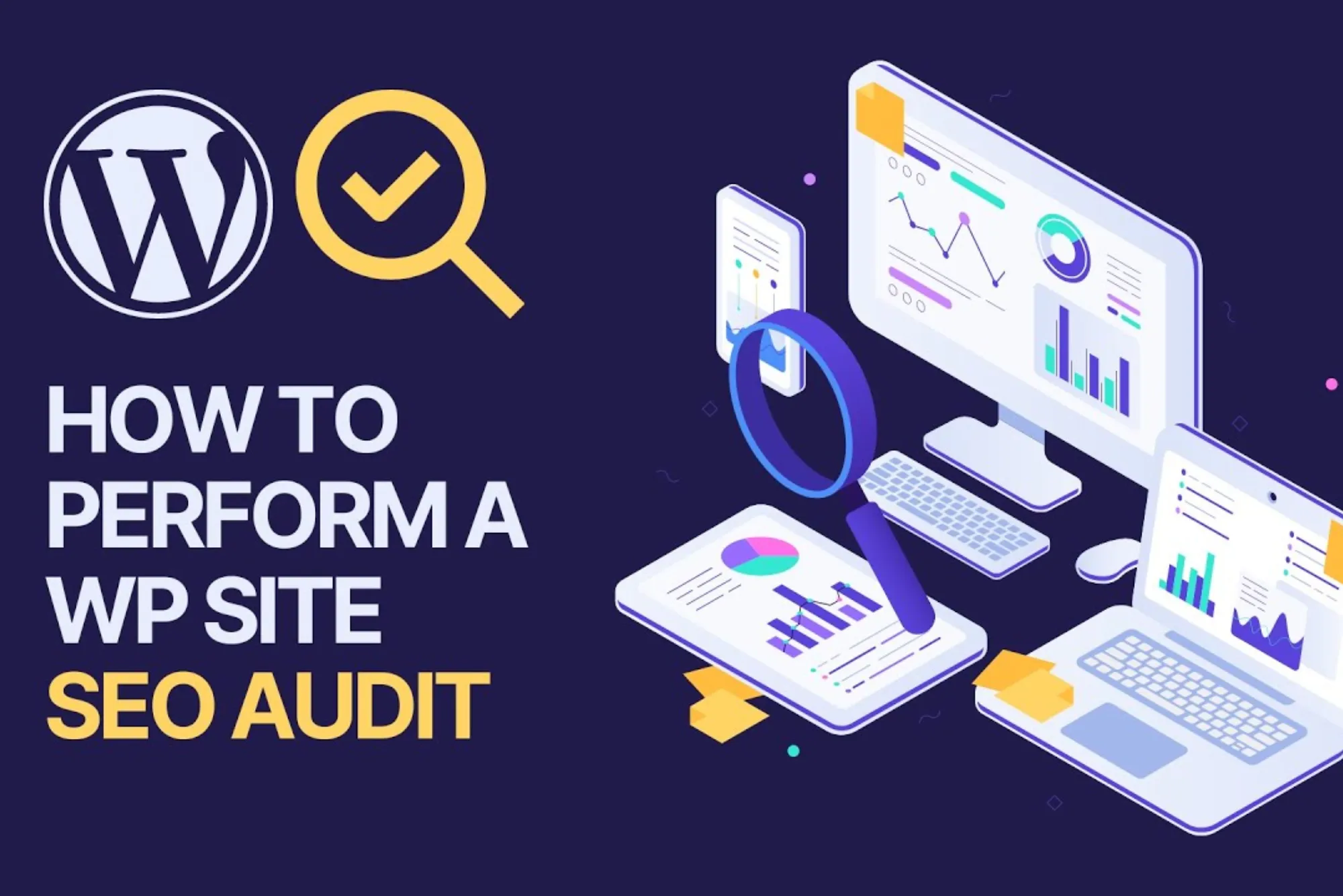
Enter the modern SEO audit tool: a diagnostic dashboard that scans, detects, and explains exactly what is holding your website back. As we move into 2026, search engines are rewarding well-maintained digital experiences more than ever. This guide walks you through the most effective, beginner-friendly SEO audit tools that turn technical complexity into clear, actionable tasks.
Search algorithms are no longer just about keywords; they are about user experience, core web vitals, and JavaScript rendering. For a small business or a new blog, keeping up feels overwhelming. However, you do not need an in-house technical SEO team. The right software acts as your 24/7 quality assurance manager. It helps answer critical questions: Why did my best-performing page drop off the first page?
Are my images too heavy? Does Google see my mobile version correctly? By running a baseline audit, you move from guessing to knowing. In 2026, the beginner’s advantage is using intelligent tools that prioritize issues by impact, not just by number of errors. If you are running a local business website like United Fish, regular audits become even more essential because local search competition continues to intensify every year.
Not all audit tools are created equal. Many platforms drown you in spreadsheets and irrelevant warnings. Our selection criteria focused exclusively on platforms that offer clear “fix this first” recommendations, a gentle learning curve, and actionable insights without requiring a deep technical background. We prioritized tools that provide automated site crawls, readability analysis, core web vital tracking, and straightforward exportable reports.
[Insert relevant reference link here]
Screaming Frog remains an industry standard, and its free tier is perfect for small websites. The software crawls every accessible URL on your domain, then organizes findings into intuitive tabs: page titles, meta descriptions, headers, and response codes. Beginners benefit most from the “Issues” tab, which instantly flags missing descriptions, duplicate content, and broken links. While the interface looks data-heavy, watching a single 10-minute tutorial unlocks its full power. For best results in 2026, use it to audit internal linking structure and redirect chains. Many successful e-commerce sites, including those selling specialty items like Koi fish or Betta fish, rely on Screaming Frog to maintain clean site architecture across hundreds of product pages.
If Screaming Frog feels too raw, Sitebulb wraps the same crawling power in a beautifully designed interface. The platform generates a “hints” report that explains each SEO issue in plain English, complete with screenshots and step-by-step solutions. For example, instead of just displaying “missing alt text,” Sitebulb shows you which images are affected, suggests relevant text, and explains why it matters for accessibility. Beginners appreciate the prioritized list that separates critical errors from minor improvements.
Semrush has built a reputation for all-in-one SEO, and its Site Audit tool ranks among the most beginner-friendly. After connecting your domain, the tool runs a scheduled crawl and returns a health score from 0 to 100. Errors are color-coded into red (critical), orange (moderate), and yellow (warnings). Each error links directly to the affected page and includes a “Why and how to fix” guide. The tool also tracks your health score over time, so you can celebrate improvements. For small site owners, the free tier covers up to 100 pages per crawl—perfect for getting started.
Ahrefs is known for backlink analysis, but its Site Audit module deserves equal attention. It crawls up to 100,000 pages and organizes findings by “Top issues” based on SEO impact. One standout feature is the “AI Error Explanation,” which describes why a problem matters and how it might affect traffic. For e-commerce stores or content-heavy blogs, Ahrefs also tracks structured data validation and internal link distribution. The learning curve is slightly steeper, but the actionable insights are worth the effort. To see a real-world example of organized product categorization, visit the fish shop page that properly structures fresh catch, frozen seafood, and live fish sections.
No third-party tool replaces Google’s own data. Google Search Console (GSC) is not a traditional site audit tool, but its “Enhancements” and “Core Web Vitals” reports are required reading. For beginners, the “Page Indexing” report shows exactly which pages Google cannot access and why. The “Mobile Usability” section flags touch elements that are too close or text that is too small. While GSC does not offer a single audit button, combining it with any of the tools above gives you both raw search data and detailed crawling analysis.
Woorank focuses on simplicity and speed. Enter your domain, and within a minute, you receive a letter-grade score (A through F) plus a checklist of improvements. The report includes SEO, usability, performance, and social media integrations. Beginners love the visual progress bars and vendor-specific recommendations. Woorank also includes a competitor comparison, so you can see how your site stacks up against industry leaders. The free report is enough for a basic health check, while paid plans offer ongoing monitoring.
Varvy is not as feature-rich as paid competitors, but it remains a fantastic starting point for absolute beginners. The tool analyzes page speed, image optimization, security (HTTPS), and mobile friendliness. Output is minimalistic: green checkmarks for passed items and red explanations for failing ones. Use Varvy as a quick pre-audit before diving into more complex crawls. It strips away all complexity and shows only what a newcomer truly needs to fix first.
Choosing the right tool often comes down to budget and site size. Below is a transparent pricing comparison based on publicly available plans as of 2026. Note that many platforms offer annual discounts and free trials.
| Tool | Free Tier | Paid Starter Price | Max Pages per Crawl (Starter) | Best For |
|---|---|---|---|---|
| Screaming Frog | Yes (500 URLs) | $259/year | Unlimited | Technical depth |
| Sitebulb | 14-day trial | $15/month | 2,500 | Visual reporting |
| Semrush | Yes (100 pages) | $139.95/month | 20,000 | All-in-one SEO |
| Ahrefs | No (paid only) | $129/month | 100,000 | Large websites |
| Google Search Console | Full free | $0 | Limited by property | Google-specific data |
| Woorank | Yes (one report) | $69/month | 5,000 | Quick competitor audits |
| Varvy | Full free | – | Single page | Absolute beginners |
Running a one-time audit is like taking a single shower and expecting to stay clean forever. SEO health requires ongoing maintenance. We recommend beginners schedule a full site audit once per month after any major content update. Use Google Search Console weekly to monitor new indexing issues. For growing websites, automate weekly crawls using Semrush or Ahrefs, but only review the “critical” and “moderate” sections to avoid burnout. If your website features many product variations like live shrimps or mackerel fish, weekly audits are not overkill—they are a competitive necessity.
The most frequent error is trying to fix every single warning at once. Not all SEO issues carry equal weight. A missing meta description on a low-traffic blog post is less urgent than a broken internal link on your homepage. The second mistake is ignoring page speed. Even the most perfectly optimized content will struggle if your server response time exceeds two seconds. Use Google PageSpeed Insights alongside your audit tool to confirm findings. Third, many beginners forget to audit after a theme or plugin update. Always re-crawl your site after any significant change.
Do not wait for the perfect setup. Start now by signing up for a free Google Search Console property. Next, download the free version of Screaming Frog and crawl your top 50 pages. Export the “Response Codes” report and fix any 404 errors. Then, check Core Web Vitals in GSC. If you see any “Poor” URLs, investigate large images or bloated JavaScript. Finally, install Sitebulb’s free trial or use Semrush’s free audit for a second opinion. Document your findings in a simple spreadsheet: one tab for critical errors, one for moderate improvements, and one for future checklist items.
Internal linking is one of the most undervalued audit findings. A healthy internal link structure distributes page authority and helps search engines understand your content hierarchy. When reviewing your audit report, look for orphan pages (pages with zero internal links) and add contextual links from relevant articles. For example, a well-optimized website will connect its popular product pages like salmon fish and pomfret fish to category archives, blog posts about cooking methods, and location-based guides. Building thematic hubs strengthens your overall site architecture and tells search engines exactly which pages matter most.
Looking ahead to the rest of 2026, search engines will continue to prioritize Experience, Expertise, Authoritativeness, and Trustworthiness (EEAT). SEO audits help you maintain EEAT by ensuring your contact page is accessible, your author bios are complete, and your security certificates are valid. Regular audits also protect you from algorithm updates that penalize poor user experience. By mastering basic audit tools today, you build a skill set that remains valuable regardless of how ranking signals evolve. Always check your contact us page links and forms during every audit—a broken contact page directly hurts trust signals and customer acquisition.
If you have zero budget, start with Google Search Console plus Varvy. If you manage a small business site (up to 500 pages), Screaming Frog’s free version covers your needs. For bloggers and affiliate sites wanting a beautiful report, Sitebulb offers the best balance of price and clarity. For e-commerce store owners who also need keyword and backlink tracking, Semrush or Ahrefs justify their higher price tags. No single tool is perfect, but every beginner should run at least one audit per quarter. The traffic you save will be your own.
Technical SEO does not have to be intimidating. The tools listed above turn a mountain of data into a manageable checklist. Start small: fix one issue per week. Maybe it is adding alt text to three images. Maybe it is updating an old meta description. Over a few months, these micro-improvements compound into significant traffic growth. Remember, every major website today began its journey with a single audit. Choose a tool from this list, run your first scan, and take the first step toward uncovering the hidden potential in your own digital real estate.
Related Reading: SEO Tools for Beginners in 2026: Key Features That Actually Matter
Related Reading: Free vs Paid SEO Tools for Beginners: Which Option Makes More Sense in 2026
Related Reading: Best SEO Reporting Tools for Beginners Measuring Organic Traffic Gains and SEO Wins in 2026
Related Reading: Why Quality Backlinks Matter for Businesses Expanding in Saudi Arabia
Related Reading: Canister vs Hang-on-Back Filters: Which Is Best for Your Aquarium?