
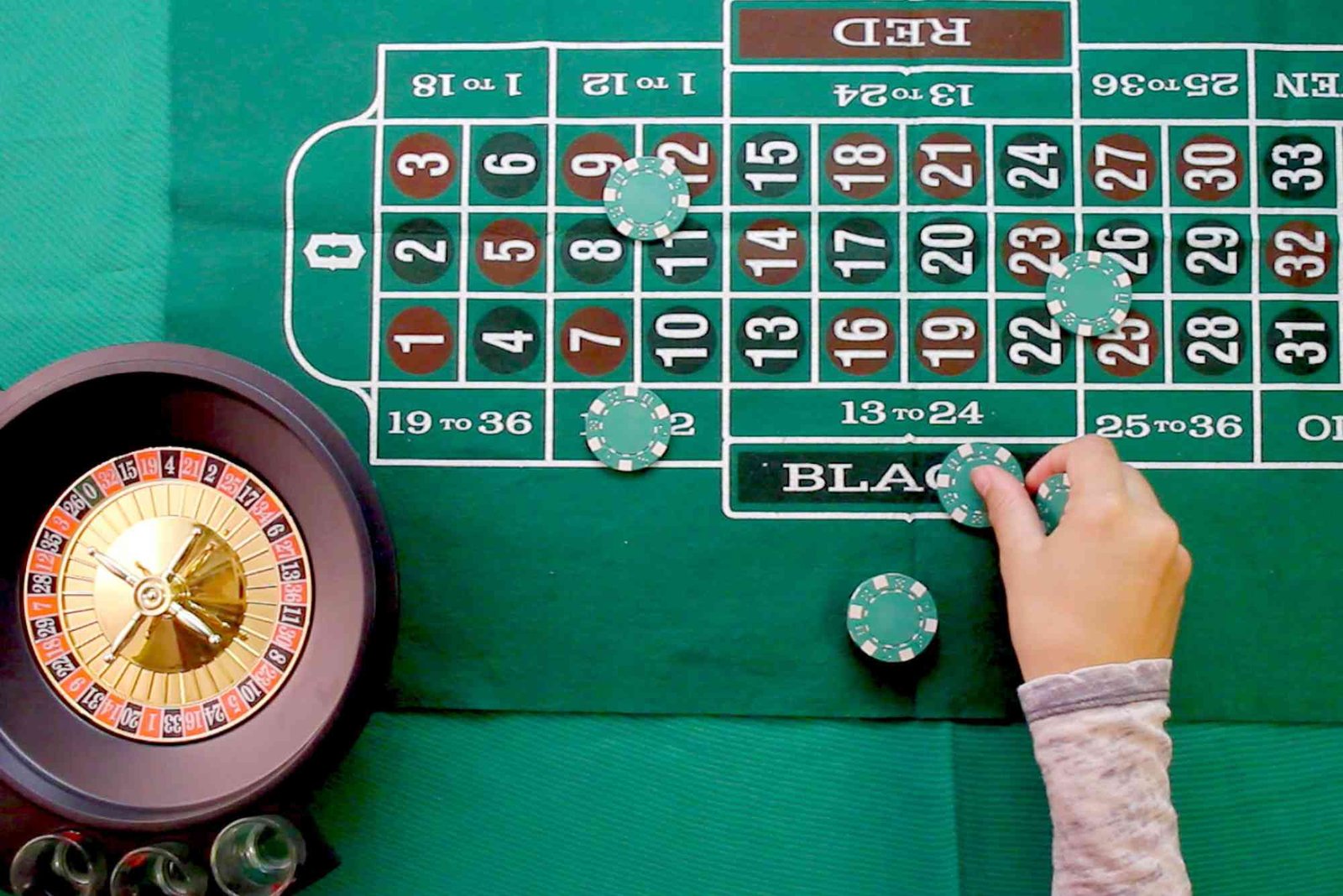
Roulette has remained one of the most popular casino games for centuries because of its simple rules, exciting gameplay, and wide variety of betting options. For newcomers, however, the spinning wheel and betting table can appear overwhelming at first glance. Learning the right roulette strategies for beginners can make your first experience more enjoyable while helping you understand how the game works before placing real money bets.
Although no strategy can overcome the built-in house edge or guarantee consistent winnings, using a disciplined approach can help beginners manage their bankroll, make informed betting decisions, and avoid common mistakes. Experienced players understand that roulette is primarily a game of probability, and success comes from smart decision-making rather than chasing impossible guarantees.
Many players who explore casino entertainment also research trusted resources such as best betting sites before choosing where to play. Selecting reputable platforms is just as important as understanding the game’s mechanics because safety, fair play, and secure transactions contribute to a better overall experience.
Before exploring roulette strategies for beginners, it is important to understand how the game works. A roulette wheel contains numbered pockets where a small ball eventually lands after the wheel spins. Players predict where the ball will stop by placing bets on numbers, colours, or groups of numbers.
European roulette features a single zero, while American roulette includes both a single zero and a double zero. This seemingly small difference has a significant impact on the odds. European roulette offers a lower house edge, making it the preferred choice for beginners looking to maximise their chances over time.
Every spin is completely independent from previous spins. The wheel has no memory, meaning past outcomes do not influence future results. Understanding this simple fact helps beginners avoid many common misconceptions.
Some players mistakenly believe strategy is useless because roulette depends on chance. While no betting system can predict outcomes, strategy remains valuable because it influences how players manage their money and emotions throughout a session.
A thoughtful approach helps prevent impulsive decisions after losses and encourages players to set realistic expectations. Good strategy focuses less on trying to beat the wheel and more on creating an enjoyable, controlled gaming experience.
Experienced casino players often emphasise that long-term success begins with discipline rather than chasing unlikely winning streaks.
One of the simplest yet most effective roulette strategies for beginners is choosing European roulette whenever possible. The single-zero wheel gives the casino approximately a 2.7% house edge compared to around 5.26% on American roulette.
Although this difference may appear small, it becomes increasingly important over many sessions. Lower house edge means players retain more value from every wager over time.
Because European roulette offers slightly better mathematical odds, beginners have more opportunities to enjoy longer playing sessions with the same bankroll.
Learning on the European version also allows new players to become comfortable with betting patterns before experimenting with different roulette variations.
Outside bets are often recommended for beginners because they cover larger portions of the wheel.
Red or black bets, odd or even, and high or low wagers all provide nearly a fifty-percent chance of winning on each spin, excluding the zero.
Although these bets pay only even money, they produce more frequent wins than straight-number bets. Consistent smaller wins often help beginners build confidence while learning bankroll management.
Outside betting also reduces emotional pressure because losses tend to occur less frequently than when constantly targeting individual numbers.
Bankroll management is perhaps the most valuable lesson for anyone learning roulette strategies for beginners.
A bankroll represents the amount of money specifically allocated for entertainment. Players should never gamble with funds intended for essential expenses such as rent, food, or bills.
Dividing a bankroll into smaller betting units allows longer sessions while reducing the impact of short-term losing streaks. Many experienced players limit each wager to only a small percentage of their total budget.
Equally important is deciding both winning and losing limits before starting a session. Walking away after reaching either limit requires discipline but helps maintain responsible gambling habits.
The Martingale system is perhaps the most recognised roulette betting strategy. Players double their wager after every loss, aiming to recover previous losses with one eventual win.
While the concept appears straightforward, it requires an increasingly large bankroll during extended losing streaks. Table betting limits may also prevent players from continuing the progression.
Because of these practical limitations, beginners should understand the theory without assuming it guarantees profits.
The Fibonacci system follows a mathematical sequence in which each number equals the sum of the previous two.
Players increase wagers according to the sequence after losses and move back two positions after wins.
Many beginners appreciate its slower progression compared to Martingale, although it still cannot eliminate the house edge.
The D’Alembert system increases wagers by one unit after each loss and decreases them by one unit following wins.
This conservative approach produces smaller bankroll fluctuations than more aggressive betting systems.
Many recreational players prefer this method because it encourages gradual adjustments rather than dramatic increases.
Many newcomers believe that after several black results, red becomes “due.” This belief is known as the gambler’s fallacy.
In reality, every roulette spin remains completely independent regardless of previous outcomes.
Another frequent mistake involves increasing bets emotionally after losses. Chasing losses often leads to poor decisions that exceed planned bankroll limits.
Beginners should also avoid betting on every available option simply because the table offers numerous possibilities. Understanding each wager first creates a more enjoyable learning experience.
Patience remains one of the most valuable qualities for any roulette player.
Every roulette table has minimum and maximum betting limits.
These limits affect how certain betting systems perform, particularly progression systems that require increasingly larger wagers.
Beginners should select tables with betting limits that comfortably match their planned bankroll rather than stretching their budget.
Lower minimum bets generally provide more playing time and greater opportunities to gain experience.
Many online casinos offer free roulette games using virtual credits.
Practice sessions allow beginners to understand betting layouts, payout structures, and wheel behaviour without financial risk.
This experience also helps players test bankroll strategies before transitioning to real-money games.
Confidence gained through practice often leads to calmer, more disciplined decision-making later.
Knowing the mathematical probabilities behind each bet helps players make informed choices.
Straight-up number bets offer the largest payouts but have relatively low chances of success because only one number wins.
Outside bets provide lower payouts but significantly higher winning probabilities.
Understanding this balance between risk and reward enables beginners to choose wagers matching their comfort level rather than simply chasing the biggest prizes.
Successful recreational roulette players often share similar habits regardless of experience level.
They remain patient during losing sessions, avoid emotional betting, stick to predetermined budgets, and recognise that every session contains natural variance.
Accepting short-term fluctuations allows players to enjoy the entertainment value of roulette without unrealistic expectations.
Consistency in decision-making generally proves more valuable than constantly changing strategies after every spin.
An essential part of learning roulette strategies for beginners is understanding responsible gambling.
Roulette should always be viewed as entertainment rather than a source of guaranteed income.
Taking regular breaks, setting time limits, and avoiding gambling while stressed or emotional contribute to healthier playing habits.
Looking for premium-quality seafood delivered with convenience and freshness? Explore United Fish, your trusted destination for fresh and frozen seafood in the UAE. From locally sourced fish to imported seafood specialties, United Fish offers a wide selection backed by reliable service and home delivery. Visit their homepage to discover quality products, great deals, and a seamless online shopping experience.
Most beginners benefit from choosing European roulette, using outside bets, managing their bankroll carefully, and avoiding emotional betting decisions.
No. Every roulette spin is random and independent. Betting systems may help with bankroll management, but they cannot eliminate the house edge or guarantee profits.
European roulette is generally recommended because it has only one zero, resulting in a lower house edge than American roulette.
Outside bets offer more frequent wins because they cover larger portions of the wheel, although they pay smaller prizes compared to individual number bets.
Yes. Proper bankroll management helps players enjoy longer sessions, reduce financial risk, and avoid chasing losses.
Yes. Many online casinos provide free-play roulette games, allowing beginners to learn the rules and experiment with different betting approaches before wagering real money.
Related Reading: How to Read a Basketball Total When the Pace Drops After the First Quarter