Entering the marine aquarium hobby brings immense excitement. Glowing corals and vibrant fish transform any living space into a living ocean. Yet, many newcomers rush into a beginner saltwater tank setup without proper planning. This eagerness often leads to frustration, costly losses, and early burnout. Fortunately, understanding what pitfalls lie ahead makes all the difference. Let us explore the seven critical mistakes every novice must bypass for long-term aquatic success.
Patience remains the ultimate virtue in marine fishkeeping. New aquarists often add livestock too soon after filling their tanks. This mistake causes ammonia and nitrite spikes that prove fatal to fish. Beneficial bacteria take weeks to colonize live rock and bio-media. Without this biological filter, waste accumulates rapidly with nowhere to go. Always test your water parameters meticulously before introducing any living creatures. A complete cycle ensures a safe biological foundation for your display. For a deeper look at marine ecosystems, explore this comprehensive .
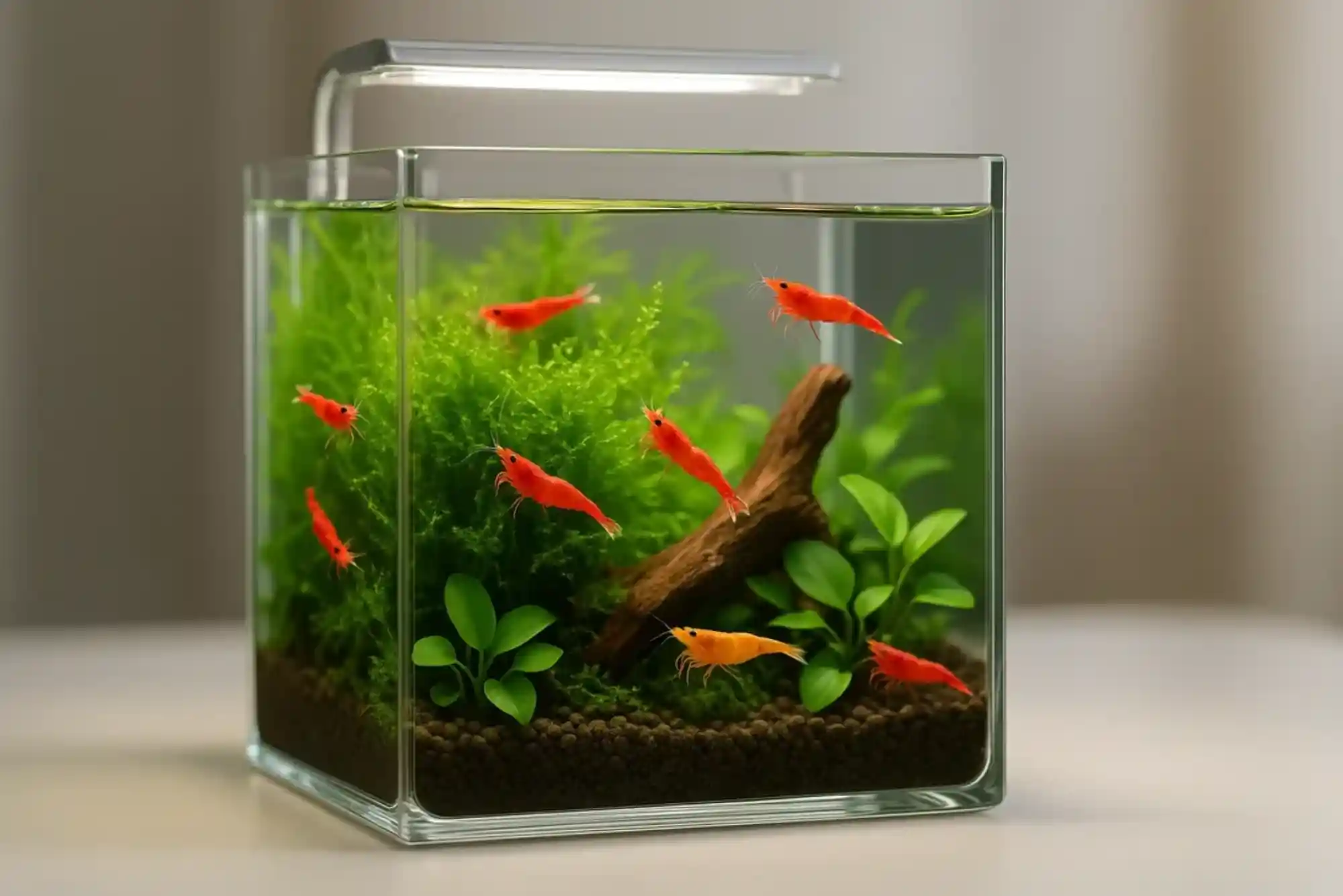
Nano aquariums look attractive and fit easily on office desks. However, smaller water volumes amplify chemical fluctuations dramatically. Evaporation alters salinity levels rapidly in compact setups. A slight mistake in dosing or feeding causes catastrophic parameter swings overnight. Beginners achieve much greater stability with displays holding at least forty gallons of water. Larger systems dilute errors, giving you precious time to correct mistakes. Selecting the right scale from trusted suppliers like Unitedfish<!–> ensures your aquatic pets thrive from day one.
Tap water contains dissolved impurities, heavy metals, and silicates that feed nuisance algae. Using untreated water guarantees endless battles against green outbreaks and diatom blooms. Always utilize a reverse osmosis deionization system for mixing saltwater and top-offs. Furthermore, specific gravity must remain stable day in and day out. Fluctuating salt levels stress marine fish and delicate invertebrates severely. Invest in a reliable refractometer and top-off system to maintain consistent salinity levels.
The beauty of marine life tempts hobbyists to buy every colorful fish in sight. Overstocking overwhelms immature filtration systems instantly. High bioloads produce excessive waste that spikes nitrates and phosphates. Similarly, overfeeding leaves decaying food rotting in the sand bed. Feed your fish only what they consume in two minutes once daily. Stock your tank slowly, allowing the biological filter time to adjust to new arrivals.
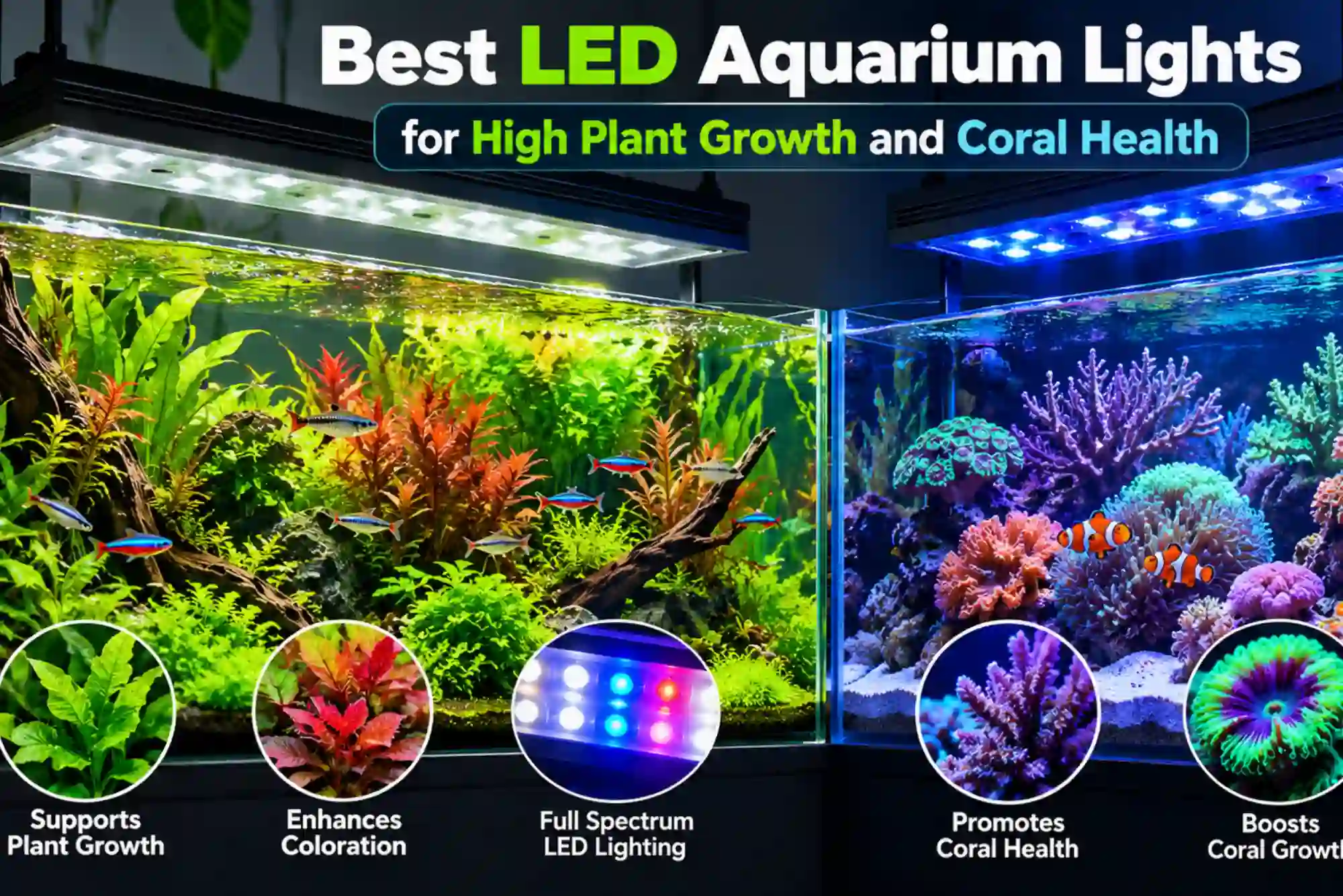
Corals and fish have vastly different photosynthetic and behavioral demands. Beginners often purchase cheap, generic lights that fail to support coral growth. Low-tier fixtures also promote unsightly microalgae growth across the glass. Research the exact PAR values your chosen livestock requires before buying equipment. Investing in quality lighting from the start prevents expensive upgrades down the road. Proper illumination brings out the stunning fluorescence hidden within marine organisms.
Adding new fish straight from the store directly into your display tank invites disaster. Parasites like marine velvet and ich wipe out entire populations overnight. A quarantine tank acts as a secure barrier protecting your main ecosystem. Observe new arrivals for at least four weeks in a separate holding system. This simple habit saves you from heartbreak and financial loss later. Preventive care remains vastly superior to emergency treatments in saltwater aquariums.
Aquariums require regular attention to mimic natural ocean stability. Skipping weekly water changes allows harmful elements to accumulate over time. Neglecting parameter testing blinds you to creeping alkalinity or calcium drops. Establish a strict weekly routine for cleaning glass, changing water, and checking chemistry. Maintaining stable conditions requires a solid understanding of biological balances, much like the insights shared in this –><!–>Reef Chemistry Primer–>. Consistency separates thriving reef tanks from failing aquatic projects.
The nitrogen cycle typically takes between four to six weeks to complete. During this period, beneficial bacteria establish colonies to process toxic fish waste. Testing parameters regularly confirms when your system is fully ready for livestock.
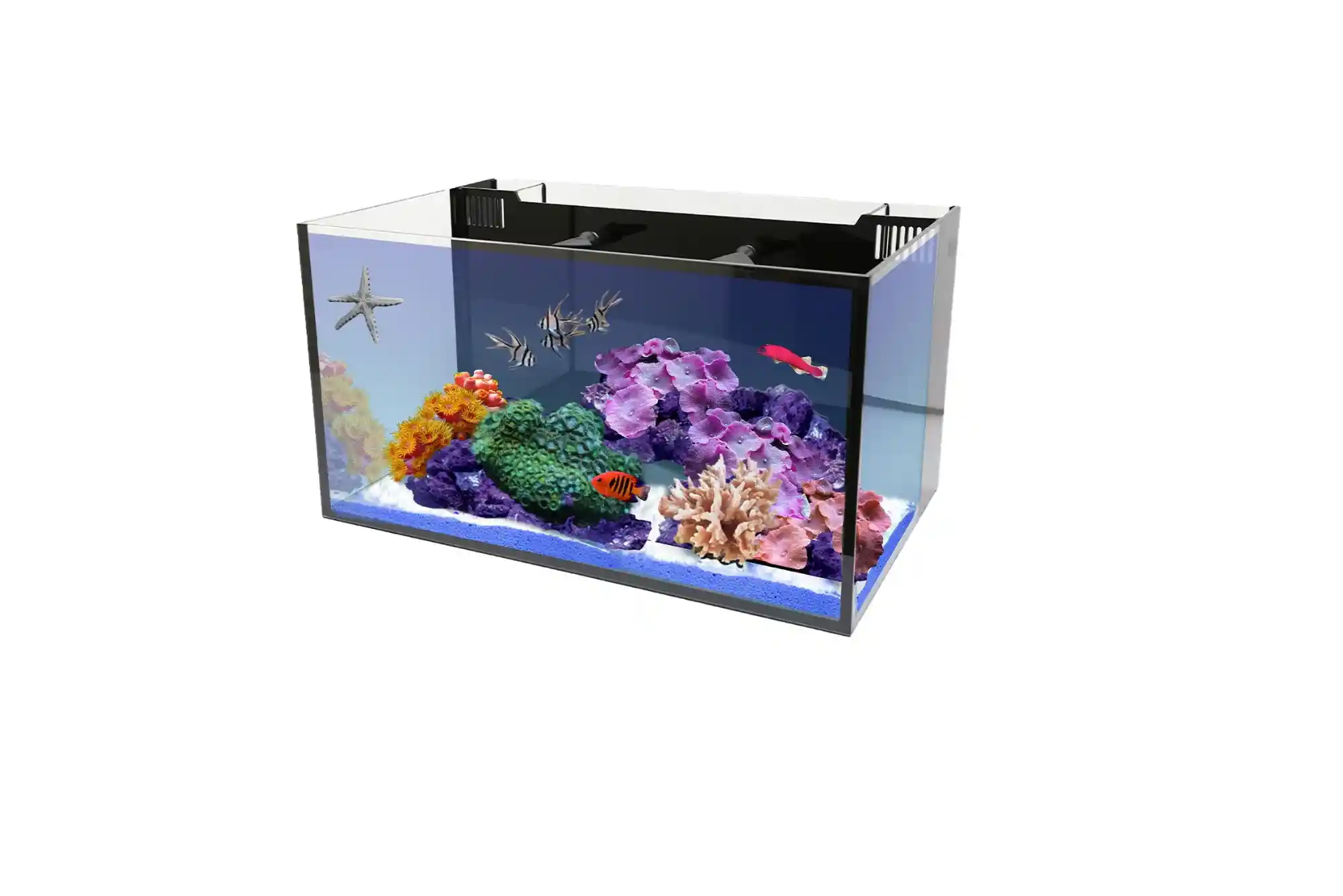
A tank holding forty to seventy-five gallons offers the ideal starting volume. Larger water volumes provide greater stability against chemical swings and evaporation errors. Nano tanks demand advanced knowledge to manage successfully.
Tap water contains phosphates, silicates, and heavy metals that fuel severe algae blooms. Always use purified reverse osmosis deionization water for mixing salt and topping off evaporation.
Perform a ten to fifteen percent water change every week or bi-weekly. Regular water changes replenish vital trace elements and keep nitrate concentrations low.
Building a successful marine aquarium requires patience, discipline, and attention to detail. Avoiding these seven common pitfalls sets you firmly on the path to reef-keeping mastery. Remember that stable parameters and slow stocking lead to vibrant, thriving displays. Ready to begin your underwater journey today? Explore premium equipment and expert livestock selections at to jumpstart your ultimate marine setup.
Related Reading: Betta Fish Care 101: Tank Size, Diet, Temperature, and Tank Mates