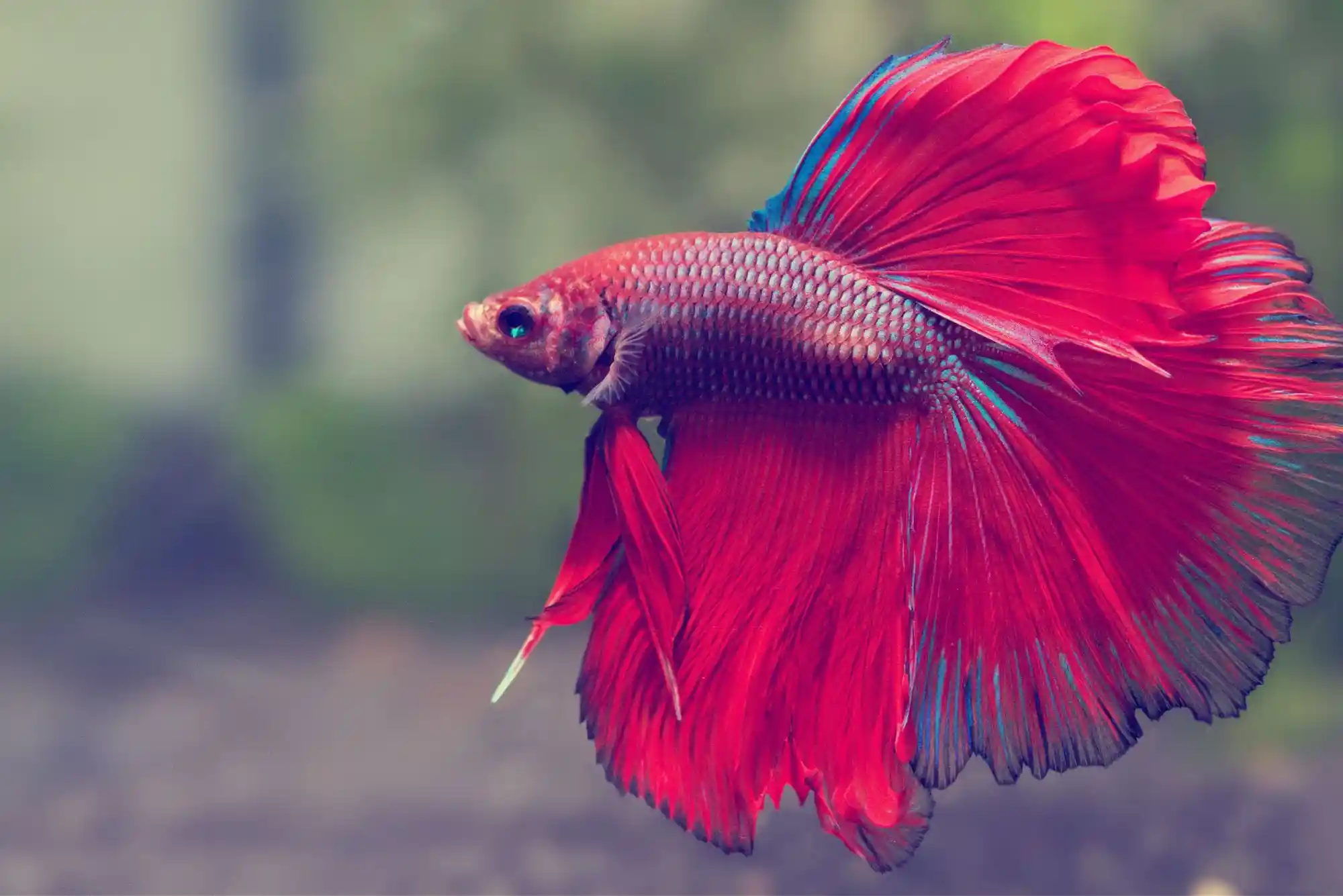
Welcome to the ultimate guide on Betta Fish Care 101: Tank Size, Diet, Temperature, and Tank Mates. Keeping a Siamese fighting fish is one of the most rewarding hobbies in the aquarium world. These stunning aquatic pets bring vibrant color and unique personality to any room. However, many beginners fall for common pet store myths regarding their care. Properly understanding their needs ensures your finned friend lives a long, healthy life. At Unitedfish Aquatics , we want to help you master every single detail. Let us dive right into what makes these brilliant fish thrive.
Proper Betta Fish Care 101: Tank Size, Diet, Temperature, and Tank Mates forms the foundation of fishkeeping success. Many people believe betta fish can live in tiny bowls or vases without filters. In reality, this leads to poor water quality, stress, and shortened lifespans. Bettas are tropical freshwater fish originating from the shallow rice paddies of Southeast Asia. Recreating their natural environment brings out their brightest colors and active behaviors. When you invest time in their habitat, you will notice incredible personality changes. For a deeper dive into their biological traits, check out the <!–>Betta Splendens Profile–> for more taxonomic details.
The biggest misconception in fishkeeping involves housing betta fish in tiny containers. You should always provide a minimum of five gallons of water for a single betta. Larger tanks offer stable water parameters and give your fish room to swim. A filtered tank is non-negotiable because it prevents harmful ammonia and nitrite buildup. Additionally, invest in a gentle filter because betta fins tear easily in strong currents. Adding live or silk plants prevents fin snags and offers cozy resting spots. Always include a secure lid since these intelligent fish are notorious jumpers.
Temperature control represents a crucial pillar of Betta Fish Care 101: Tank Size, Diet, Temperature, and Tank Mates. As tropical fish, bettas require warm water ranging between 78 and 80 degrees Fahrenheit. Unstable room temperatures cause sluggish behavior, faded colors, and weakened immune systems. You must purchase a reliable aquarium heater alongside a floating thermometer to monitor conditions daily. Avoid placing your aquarium near drafty windows, air conditioning units, or direct sunlight. Consistent warmth keeps your fish active, happy, and metabolizing food correctly.
Feeding your pet correctly is essential for long-term health and vibrant coloration. Bettas are strict carnivores requiring high protein levels in their daily meals. Feed them specialized betta pellets or granules as a primary nutritional base. Supplement their diet with frozen or freeze-dried bloodworms, brine shrimp, and daphnia. Never overfeed your fish because their stomachs are only about the size of their eye. Offer an amount they can finish within two minutes once or twice daily. Fasting your fish for one day a week prevents common digestive issues like bloating.
Finding suitable companions requires careful planning due to the territorial nature of bettas. Male bettas will aggressively attack other fish that resemble their bright coloration or flowing fins. In a five-gallon tank, keeping your betta completely solitary is usually the safest choice. If you have a ten-gallon tank or larger, peaceful community options can work well. Snails, ghost shrimp, and bottom-dwelling cory catfish often make great tank mates. Always observe your aquarium closely for the first few days to monitor compatibility. If fin nipping occurs, separate the animals immediately to prevent injury.
Clean water prevents disease and keeps your fish thriving for years to come. Perform a partial water change of twenty to thirty percent every single week. Use a gravel vacuum to remove uneaten food, fish waste, and organic debris from the substrate. Always treat your tap water with a quality water conditioner to neutralize chlorine and chloramines. Match the new water temperature closely to the main tank before pouring it in. Establishing this simple weekly routine ensures your aquatic pet avoids common ailments like fin rot.
To expand your knowledge further, look into our dedicated Betta Care Pillar<!–> guide. This comprehensive resource covers advanced topics like disease prevention, plant selection, and aquascaping tips. Learning from experienced hobbyists saves you time, money, and unnecessary aquarium mistakes. Your betta relies entirely on you to provide a safe and enriching underwater world. Taking a proactive approach to their habitat guarantees a joyful relationship with your pet.
Yes, bettas are tropical fish requiring warm water and clean filtration to stay healthy. Unfiltered bowls cause toxic waste buildup and shorten their lifespan drastically.
Feed your betta two to three pellets twice a day, ensuring they finish everything quickly. Their stomach is very small, so overfeeding leads to fatal digestive problems.
No, male bettas will fight violently until one or both sustain severe injuries or die. They must always be housed strictly on their own.
With proper care, pristine water, and a healthy diet, bettas live between three and five years. Some dedicated owners even keep them healthy for up to seven years.
Mastering Betta Fish Care 101: Tank Size, Diet, Temperature, and Tank Mates transforms you into a confident fishkeeper. By providing a spacious tank, warm water, high-protein food, and careful company, your pet will flourish. Remember that consistency in water changes and feeding habits makes all the difference. Ready to upgrade your fishkeeping journey today? Visit –><!–>Unitedfish Aquatics–> right now to explore premium tanks, heaters, and foods designed for your betta!
Related Reading: Top Pickup Trucks for Small Construction in UAE: Power & Durability Guide
Related Reading: Odkryj najlepsze bonusy, pokies i sloty w polskim kasynie online — full guide
Related Reading: Beginner Saltwater Tank Setup: 7 Critical Mistakes to Avoid
Related Reading: Corydoras Catfish Care: Diet, Sand Substrate, and Schooling Group Size