Every aquarium hobbyist eventually hears about invisible chemistry. Fish produce waste constantly. This waste breaks down into toxic compounds. Managing this invisible waste stream forms the foundation of fishkeeping success. Understanding the Nitrogen Cycle: Ammonia, Nitrites, and Nitrates protects aquatic life from sudden death. Without this knowledge, new tanks often experience catastrophic fish loss. Experienced breeders monitor these chemical shifts daily. Beginners must grasp these core principles before adding livestock. Nature provides a built-in biological filtration method. You harness this natural cycle through proper tank setup. Every thriving aquatic ecosystem relies on beneficial bacteria. These microscopic organisms convert harmful toxins into safer substances. Mastering this invisible process transforms a stressful hobby into a rewarding science. Let us explore how this biological machinery operates step by step.
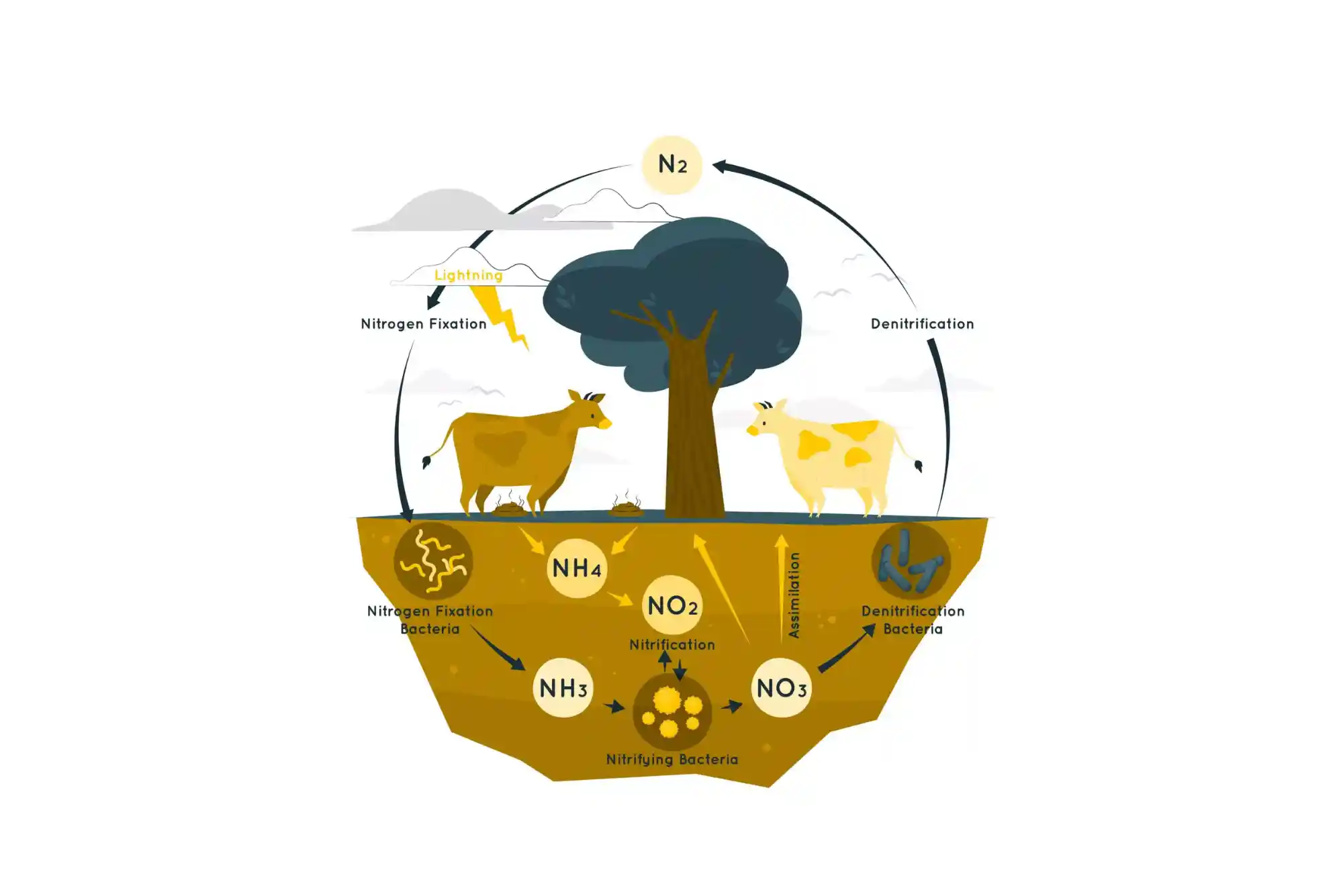
The nitrogen cycle represents a biological process. It transforms toxic fish waste into harmless plant food. Fish excrete ammonia through their gills and waste. Uneaten food and decaying plants also release ammonia. High ammonia levels poison aquatic pets quickly. Nature combats this threat using specific bacterial colonies. These bacteria colonize filter media, gravel, and decor surfaces. Establishing these bacteria requires time and patience. Aquarium hobbyists refer to this phase as cycling the tank. You can read more about this foundational process in our comprehensive guide. Water parameters change dramatically during this cycling phase. Test kits help track these daily chemical adjustments. Reliable Water Test Kit Standards ensure accurate readings during testing. Skipping this setup phase leads to severe water quality issues. Every successful aquatic setup depends on this biological foundation.
Ammonia enters your aquarium via multiple organic sources. Fish waste, decaying matter, and dead plants release it. Even a small amount of ammonia causes severe stress. Gills burn and breathing becomes labored for the fish. Testing your water regularly prevents accidental toxicity spikes. Total ammonia exists in two primary chemical forms. Ammonium remains relatively harmless at lower pH levels. Free ammonia becomes extremely toxic as pH rises. Beneficial bacteria consume this dangerous chemical as their primary food. These bacteria are known scientifically as Nitrosomonas species. They multiply rapidly when an adequate food source exists. Monitoring this initial stage prevents early livestock mortality. Consistent water changes dilute high ammonia concentrations safely.
Nitrosomonas bacteria convert raw ammonia into nitrites. Nitrites represent the second stage of the cycle. These chemical compounds remain highly toxic to aquatic life. Nitrites prevent fish blood from carrying oxygen effectively. This condition resembles chemical suffocation in mammals. A secondary bacterial colony must emerge to consume nitrites. These helpful organisms are classified as Nitrobacter species. They process nitrites and convert them into safer nitrates. This transition phase often frustrates new aquarium hobbyists. Test kits show high nitrite spikes during this exact window. Patience remains your best tool during this biological transition. Adding bottled bacteria can accelerate this specific developmental phase. Maintaining proper water temperature encourages faster bacterial colonization.
Nitrates form the final stage of the biological cycle. Nitrobacter bacteria convert toxic nitrites into these nitrates. Nitrates are significantly less toxic to adult fish. High concentrations still cause chronic stress over time. Live aquatic plants consume nitrates as natural fertilizer. Regular water changes remove excess nitrates from the system. Most established tanks maintain nitrate levels below safe thresholds. Testing ensures nitrate accumulation never exceeds recommended aquarium limits. Excess nutrients can trigger unwanted algae blooms in display tanks. Routine maintenance keeps your aquatic ecosystem balanced and vibrant. Professional breeders trust resources at Unitedfish for expert guidance. Consistent upkeep guarantees long-term success for your aquatic pets.
Setting up a new aquatic habitat requires careful preparation. You must cultivate bacterial colonies before introducing sensitive fish. Fishless cycling remains the most humane and effective method. You add pure ammonia manually to simulate fish waste. This process feeds the emerging bacterial colonies safely. Alternatively, you can use established filter media from healthy tanks. Seed material accelerates the biological maturation timeline significantly. Testing water parameters daily tracks the progression of the cycle. Ammonia levels peak and then drop toward zero. Nitrites rise next and eventually fall off completely. Finally, nitrates appear, signaling a fully cycled ecosystem. Livestock can enter the habitat once parameters stabilize.
Aquarium chemistry occasionally goes off track during maintenance. Sudden fish deaths usually point to unexpected chemical spikes. Overfeeding introduces too much waste for bacteria to handle. Replacing filter cartridges improperly destroys established beneficial bacterial colonies. Medications can also crash your delicate biological filter overnight. Immediate water changes dilute lethal toxin concentrations rapidly. Adding bottled bacterial supplements helps reboot crashed filtration systems. Never rinse biological media under untreated tap water. Chlorine and chloramines kill beneficial bacteria instantly. Use old tank water during routine filter maintenance instead. Vigilant observation prevents minor chemical imbalances from becoming disasters.
Overfeeding, dead fish, or overcrowding usually trigger sudden ammonia spikes.
The biological cycling process typically takes between four to six weeks.
Adding fish too early exposes them to lethal ammonia and nitrite levels.
Regular partial water changes and live aquatic plants reduce nitrate levels effectively.
Insufficient filtration surface area or sudden pH drops can stall bacterial growth.
Mastering aquatic chemistry ensures a thriving underwater world. Understanding the Nitrogen Cycle: Ammonia, Nitrites, and Nitrates prevents heartbreak. Proper testing habits keep your aquatic pets safe and active. Take the next step in your fishkeeping journey today. Visit Unitedfish to explore premium equipment and expert care guides. Share your own aquarium journey with our community of hobbyists.
Related Reading: How to Lower Ammonia in Fish Tanks Naturally and Quickly
Related Reading: Top Pickup Trucks for Small Construction in UAE: Power & Durability Guide